
Catalog Envelope Vs Booklet Envelope
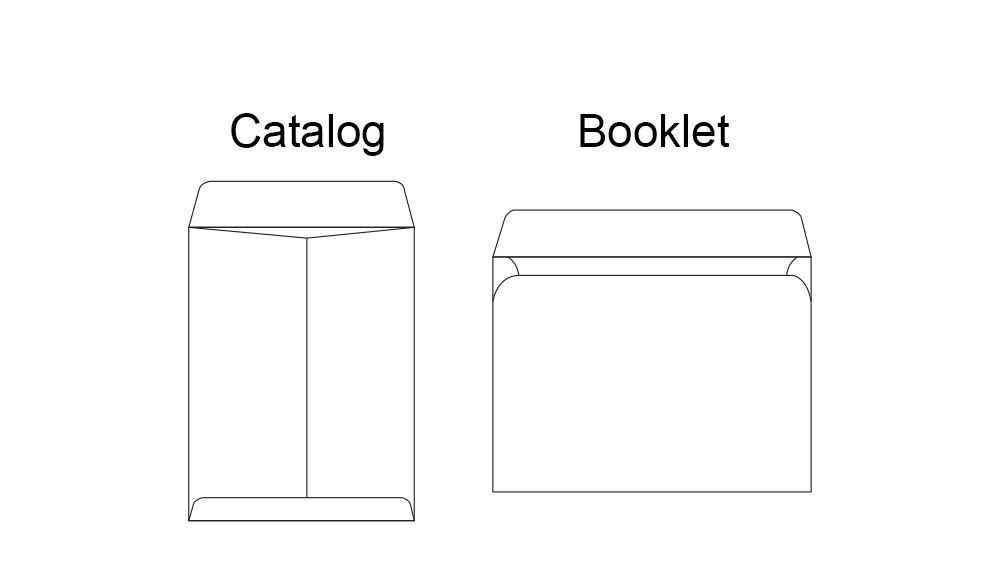
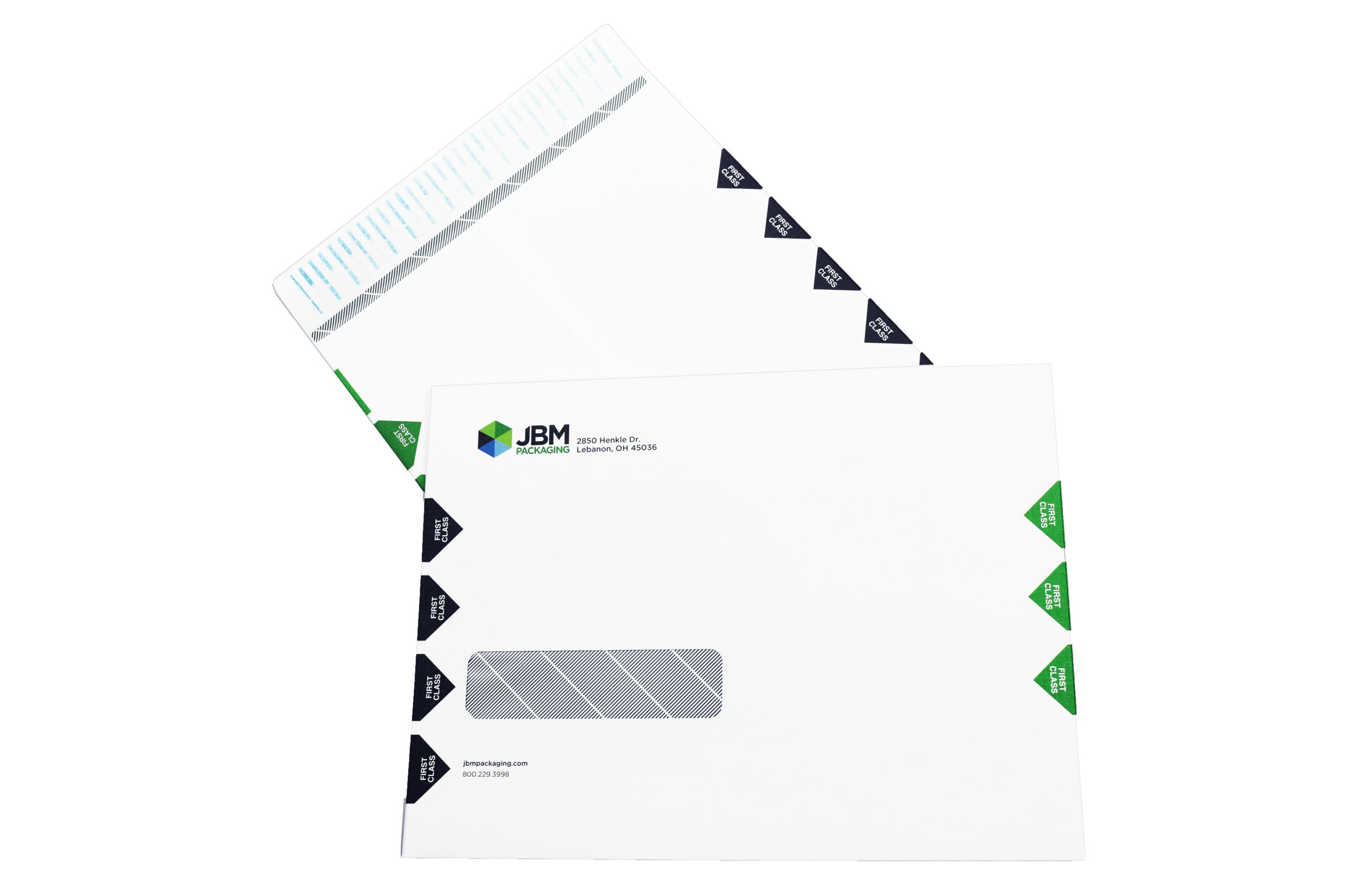
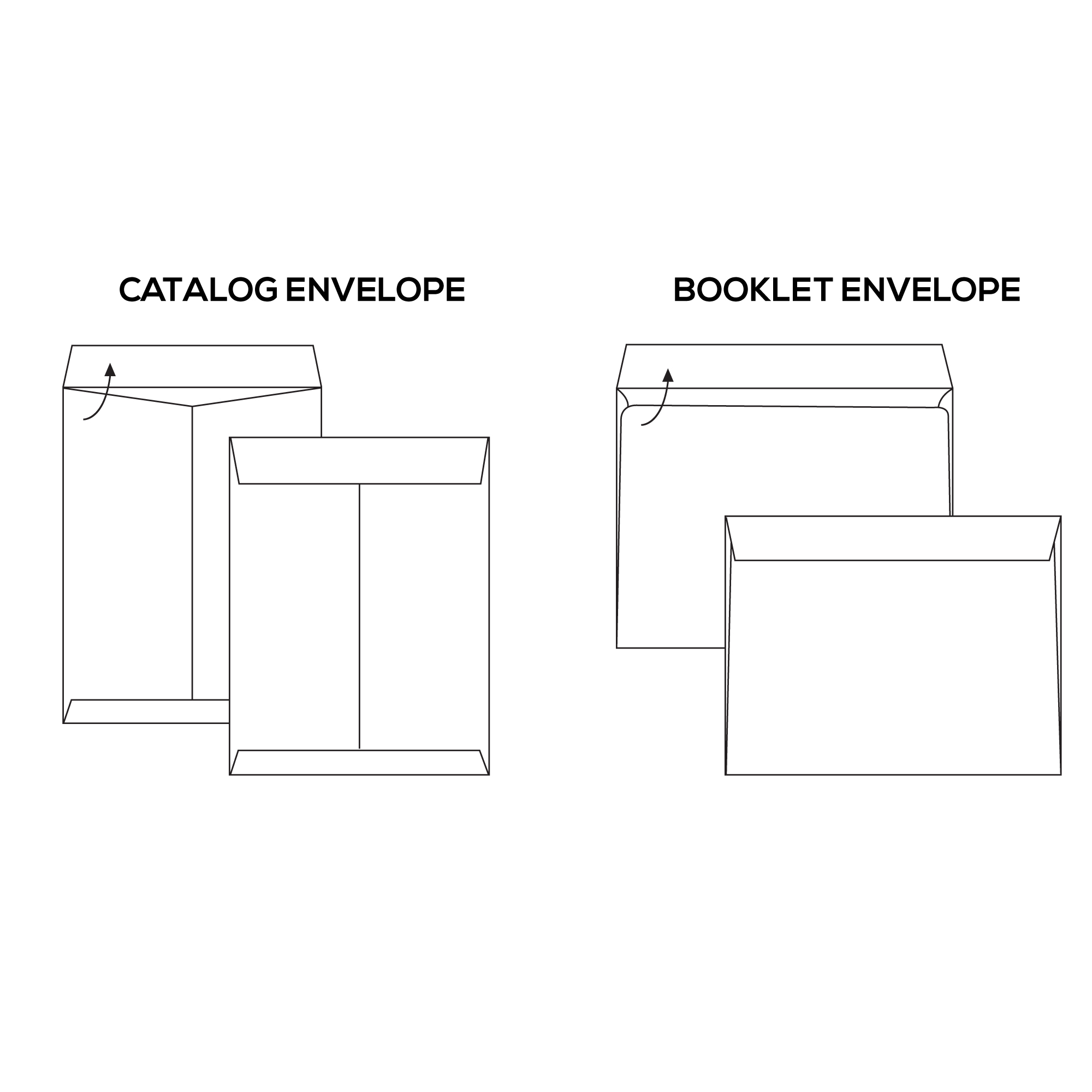
Catalog Envelope Vs Booklet Envelope - The booklet envelope style is ideal for accommodating page brochures, catalogs, and bulky documents. Discover how they differ from catalog envelopes and choose the best option. Learn about booklet envelopes, their sizes, uses, and benefits. Catalog and booklet envelopes are used for larger pieces (think: Envelope terminology can be a little confusing. The biggest difference is simply the number of pages. What does commercial envelope mean? They are also used for volume mailings and direct mail. In summary, catalog envelopes are best suited for mailing larger and thicker materials, offering a more professional and secure packaging option. For example, on a 9 x 12 catalog envelope the open flap is along the 9 end. Catalog envelopes have a seam down the middle while booklet envelopes typically do not. Booklet and catalog envelopes are both used for mailing documents, but they differ in construction and how they open. Booklet envelopes open on the long edge and have side seams, making them compatible with automated insertion equipment—ideal for letters, brochures, and forms. Their long side opening allows the insertion of items without bending or creasing them, making them a favored option for professional mailings. Booklet envelopes open on the long edge, catalog envelopes open on the short edge of the envelope. Catalog and booklet envelopes are designed to mail catalogs, booklets, brochures, sales literature — basically anything where a standard #10 business envelope would not be appropriate or sufficient. Learn about booklet envelopes, their sizes, uses, and benefits. How does a catalog envelope differ from a booklet envelope? Learn how to choose the right size for your mailing needs, ensuring maximum impact and efficiency. Catalog and booklet envelopes are used for larger pieces (think: Our comprehensive comparison explores key features, benefits, and use cases, empowering you to make an informed decision for your mailing needs. The difference between catalog envelopes and booklet envelopes is that catalog envelopes open on the short side, while booklet envelopes open on the long side. Catalog and booklet envelopes are used primarily for the same purpose. Catalog envelopes are. Catalog and booklet envelopes are used for larger pieces (think: Discover the difference between catalog and booklet envelope sizes, with a focus on the benefits of each. Once we cover this, we're also talking about the difference between a catalog vs catalougue. Catalog and booklet envelopes are used primarily for the same purpose. Learn about booklet envelopes, their sizes, uses,. Booklet and catalog envelopes are available is a wide variety of premium text grades and colors, usually to match an enclosure, such as an annual report, a brochure or sales literature. So if you’re wanting to “show off” your products and services to current and potential customers, booklets are a perfect fit. Usual items stuffed inside are price lists, flyers,. Discover the difference between catalog and booklet envelope sizes, with a focus on the benefits of each. The overall goal of booklets is to simply attract the attention of potential customers while the intent of catalogs is to inform and sell. Discover the ultimate guide to choosing between catalog and booklet envelopes. If it opens on the long side it’s. What's the difference between a booklet style envelope and a catalog style envelope? Our comprehensive comparison explores key features, benefits, and use cases, empowering you to make an informed decision for your mailing needs. In summary, catalog envelopes are best suited for mailing larger and thicker materials, offering a more professional and secure packaging option. If it opens on the. The booklet envelope style is ideal for accommodating page brochures, catalogs, and bulky documents. Discover the ultimate guide to choosing between catalog and booklet envelopes. They come in very similar sizes, but there is one big difference: A catalog envelope opens on the short end. The difference between booklet and catalog envelopes is the side it opens on. Booklet and catalog envelopes are available is a wide variety of premium text grades and colors, usually to match an enclosure, such as an annual report, a brochure or sales literature. Once we cover this, we're also talking about the difference between a catalog vs catalougue. Catalog opens on the short edge and booklet envelopes open on the long end.. Envelope terminology can be a little confusing. Booklet envelopes open on the long edge, catalog envelopes open on the short edge of the envelope. Catalog envelopes have a seam down the middle while booklet envelopes typically do not. Our comprehensive comparison explores key features, benefits, and use cases, empowering you to make an informed decision for your mailing needs. The. Once we cover this, we're also talking about the difference between a catalog vs catalougue. Usual items stuffed inside are price lists, flyers, brochures, letters and flat sheets that you don’t want folded. The biggest difference is simply the number of pages. If it opens on the long side it’s a booklet envelope and if it opens on the short. For example, on a 9 x 12 catalog envelope the open flap is along the 9 end. Catalog envelopes have a seam down the middle while booklet envelopes typically do not. Their long side opening allows the insertion of items without bending or creasing them, making them a favored option for professional mailings. What does commercial envelope mean? The difference. How does a catalog envelope differ from a booklet envelope? Learn how to choose the right size for your mailing needs, ensuring maximum impact and efficiency. The overall goal of booklets is to simply attract the attention of potential customers while the intent of catalogs is to inform and sell. Their long side opening allows the insertion of items without bending or creasing them, making them a favored option for professional mailings. Catalog envelopes are open end, meaning shortest side has the flap, also center seam is the most common, yet catalogs are also converted with side seam construction. Booklet envelopes generally are for larger, thicker items suck as brochures, photos. The difference between catalog envelopes and booklet envelopes is that catalog envelopes open on the short side, while booklet envelopes open on the long side. They are also used for volume mailings and direct mail. Catalog envelopes have a seam down the middle while booklet envelopes typically do not. What’s the difference between a booklet envelope and a catalog envelope? Booklet envelopes open on the long edge, catalog envelopes open on the short edge of the envelope. College acceptance letter and sets of paperwork). Booklet and catalog envelopes make it easy to enclose a brochure, catalog, booklet, thick stack of paper, or large amounts of printed materials. If it opens on the long side it’s a booklet envelope and if it opens on the short end it is a catalog envelope. They come in very similar sizes, but there is one big difference: Once we cover this, we're also talking about the difference between a catalog vs catalougue.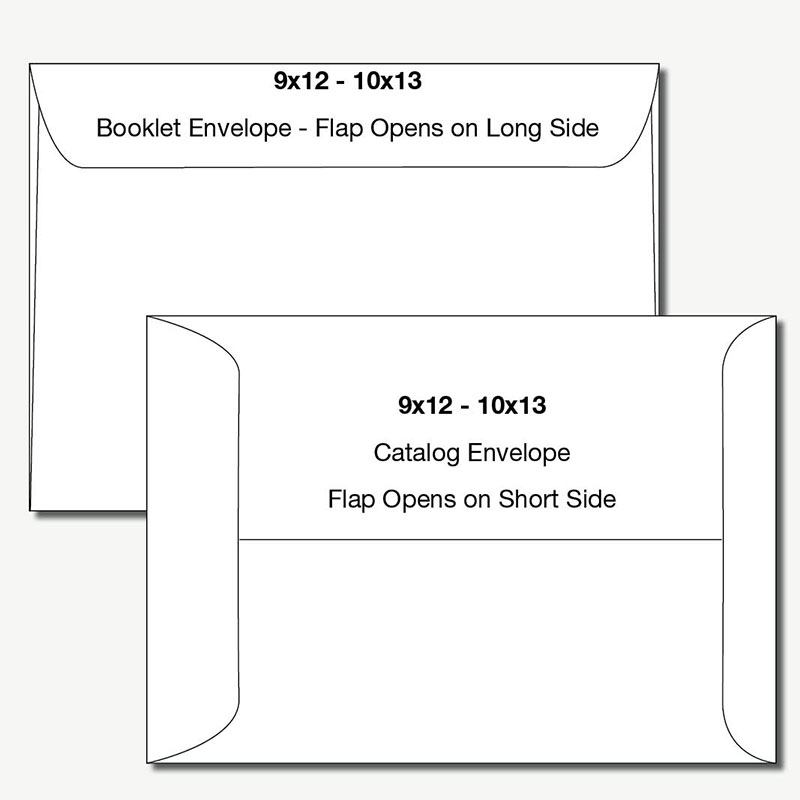
What Is A Catalog Envelope Catalog Library
Order Custom Envelopes Online

Booklet Envelopes, Catalog Envelopes, Commercial Envelopes

MC Design & Print · 9x12 Envelope

Choosing the Right Envelope

Booklet Envelopes Booklet Catalog Sizes & More Facts
![Minuteman Press [Envelopes (Booklet/Catalog)]](https://cincinnatiminutemanpress.com/files/subscribers/50a47c17-89ec-4c92-b538-f648ce72b127/webfiles/Product/P_print-envelopes-booklet-catalog-catalog.png)
Minuteman Press [Envelopes (Booklet/Catalog)]
Catalog and Booklet Envelopes JBM Packaging
What Is A Catalog Envelope at Shirley Levy blog

Catalog Vs Booklet Envelope What's The Difference? YouTube
Learn About Booklet Envelopes, Their Sizes, Uses, And Benefits.
What Does Commercial Envelope Mean?
Knowing The Difference Between A Booklet And Catalog And When It’s Best To Use Them Helps You Maximize Your Return On Investment.
The Biggest Difference Is Simply The Number Of Pages.
Related Post: