
Version Catalog Gradle
Version Catalog Gradle - Platforms are used to ensure that all dependencies in a project align with a consistent set of versions. Gradle version catalogs are still in full development, and it is good to follow the known bugs and limitations that android is publishing. In the world of gradle, managing dependencies and versions efficiently is crucial for any software project. Version catalogs helps to manage dependencies and plugins in scalable way. Gradle version catalogs, introduced in gradle 7.0 and promoted to stable in version 7.4, offer an elegant solution to streamline dependency management. A version catalog is a central file that defines library versions and aliases you can use throughout your build. In order to provide a standard for managing this, the gradle team introduced version catalogs as an experimental feature in version 7.0 and promoted it to stable in version. Platforms help you manage and enforce version consistency across different. You can use that to publish a version catalog to a. To ensure consistent version alignment, a good approach is to use a version catalog to define dependency versions alongside a platform to enforce them. When you define your dependency versions in a single, shared version catalog, you reduce duplication and make upgrades easier. You can use that to publish a version catalog to a. It makes easier to share dependencies and plugins between modules in whole project. It supports multiple ways to structure and configure builds, making it incredibly. Gradle 7.0 introduced an incubating feature to centrally manage dependencies in your gradle project. Gradle build tool, also known as gradle, is a highly flexible and extensible build system. The examples in this article show the. Gradle version catalogs, although not yet the default in the latest stable release of android studio (hedgehog at the time of writing), offer a streamlined method for handling. In the world of gradle, managing dependencies and versions efficiently is crucial for any software project. Two common approaches for this are using version catalogs and. Gradle version catalogs, introduced in gradle 7.0 and promoted to stable in version 7.4, offer an elegant solution to streamline dependency management. Instead of changing dozens of build.gradle(.kts) files,. Gradle version catalogs, although not yet the default in the latest stable release of android studio (hedgehog at the time of writing), offer a streamlined method for handling. In this article,. You can use that to publish a version catalog to a. Gradle version catalogs are still in full development, and it is good to follow the known bugs and limitations that android is publishing. Two common approaches for this are using version catalogs and. In the world of gradle, managing dependencies and versions efficiently is crucial for any software project.. It supports multiple ways to structure and configure builds, making it incredibly. Platforms are used to ensure that all dependencies in a project align with a consistent set of versions. In this article, we will take a look at why we need to use this feature. Gradle version catalogs, introduced in gradle 7.0 and promoted to stable in version 7.4,. Instead of changing dozens of build.gradle(.kts) files,. Gradle version catalog feature allows us to share dependencies between different projects or modules. It supports multiple ways to structure and configure builds, making it incredibly. In order to provide a standard for managing this, the gradle team introduced version catalogs as an experimental feature in version 7.0 and promoted it to stable. Gradle version catalogs are still in full development, and it is good to follow the known bugs and limitations that android is publishing. In this article, we will take a look at why we need to use this feature. A version catalog is a selected list of dependencies that can be referenced in build scripts, simplifying dependency management. In order. Gradle 7.0 introduced an incubating feature to centrally manage dependencies in your gradle project. Platforms are used to ensure that all dependencies in a project align with a consistent set of versions. When you define your dependency versions in a single, shared version catalog, you reduce duplication and make upgrades easier. It helps keep your dependencies consistent across subprojects and. In order to provide a standard for managing this, the gradle team introduced version catalogs as an experimental feature in version 7.0 and promoted it to stable in version. In the world of gradle, managing dependencies and versions efficiently is crucial for any software project. The examples in this article show the. It helps keep your dependencies consistent across subprojects. To ensure consistent version alignment, a good approach is to use a version catalog to define dependency versions alongside a platform to enforce them. Instead of changing dozens of build.gradle(.kts) files,. It helps keep your dependencies consistent across subprojects and avoids. In the world of gradle, managing dependencies and versions efficiently is crucial for any software project. A version catalog. In this article, we will take a look at why we need to use this feature. Whether starting a new project or working on an existing one, you should use gradle version catalogs and maven bom definitions to help simplify dependency. It supports multiple ways to structure and configure builds, making it incredibly. In this article we will see how. Gradle version catalog feature allows us to share dependencies between different projects or modules. The examples in this article show the. It supports multiple ways to structure and configure builds, making it incredibly. Gradle version catalogs, although not yet the default in the latest stable release of android studio (hedgehog at the time of writing), offer a streamlined method for. A version catalog is a selected list of dependencies that can be referenced in build scripts, simplifying dependency management. Gradle version catalogs, although not yet the default in the latest stable release of android studio (hedgehog at the time of writing), offer a streamlined method for handling. Two common approaches for this are using version catalogs and. Version catalogs helps to manage dependencies and plugins in scalable way. In order to provide a standard for managing this, the gradle team introduced version catalogs as an experimental feature in version 7.0 and promoted it to stable in version. Gradle 7.0 introduced an incubating feature to centrally manage dependencies in your gradle project. In the world of gradle, managing dependencies and versions efficiently is crucial for any software project. You can use that to publish a version catalog to a. Gradle version catalogs, introduced in gradle 7.0 and promoted to stable in version 7.4, offer an elegant solution to streamline dependency management. Whether starting a new project or working on an existing one, you should use gradle version catalogs and maven bom definitions to help simplify dependency. The examples in this article show the. Instead of changing dozens of build.gradle(.kts) files,. In this article we will see how to use gradle’s version catalogs, which is available since gradle version 8.0. Gradle version catalogs are still in full development, and it is good to follow the known bugs and limitations that android is publishing. To ensure consistent version alignment, a good approach is to use a version catalog to define dependency versions alongside a platform to enforce them. Platforms help you manage and enforce version consistency across different.
Using the Gradle Version Catalog in Android projects YouTube
![[Android] Gradle Version Catalog 정리](https://velog.velcdn.com/images/hjtn/post/5619a871-5e86-4386-9c46-680a6c449e4b/image.png)
[Android] Gradle Version Catalog 정리
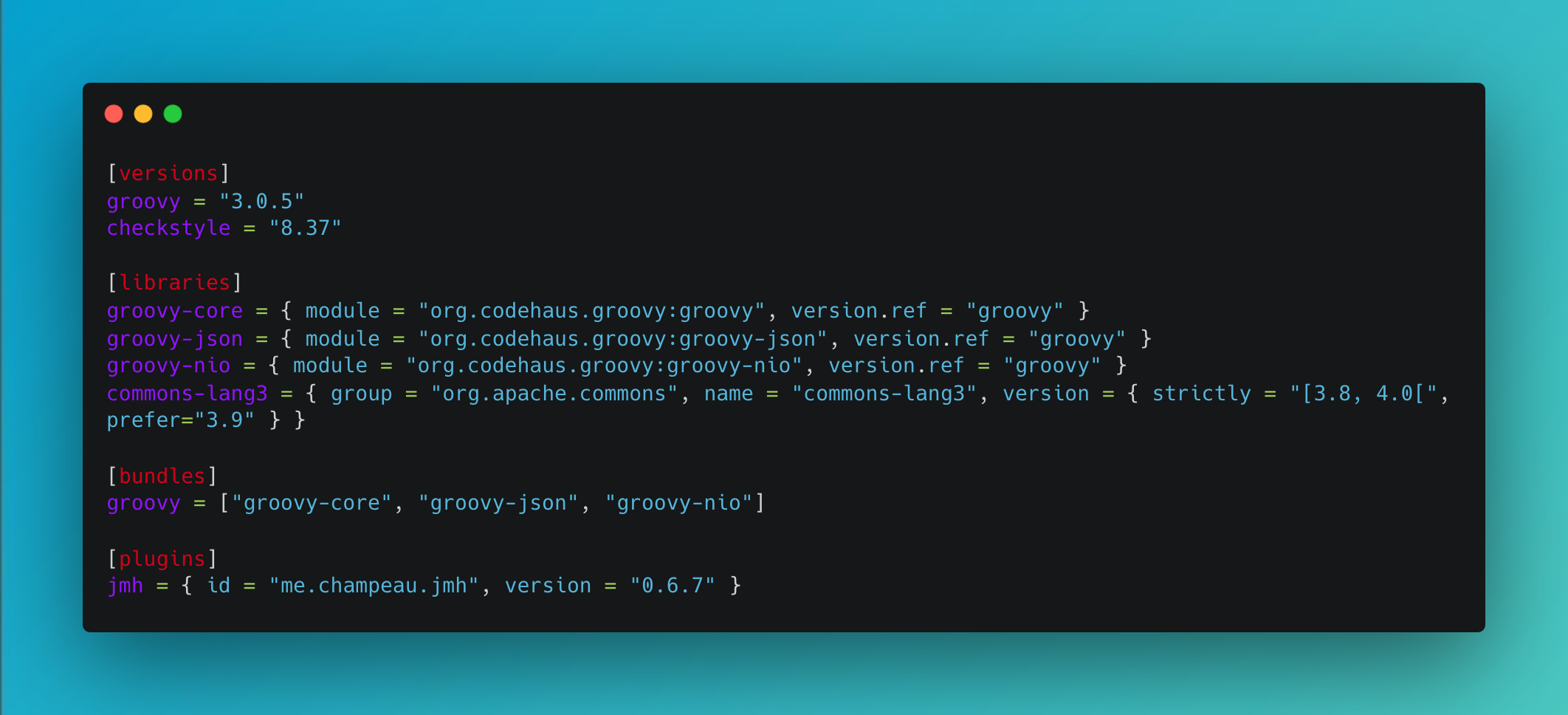
Gradle What's new in Gradle 8.0

Gradle Version Catalog Simplifying Dependency Management Between
Gradle Version Catalog Helper IntelliJ IDEs Plugin Marketplace
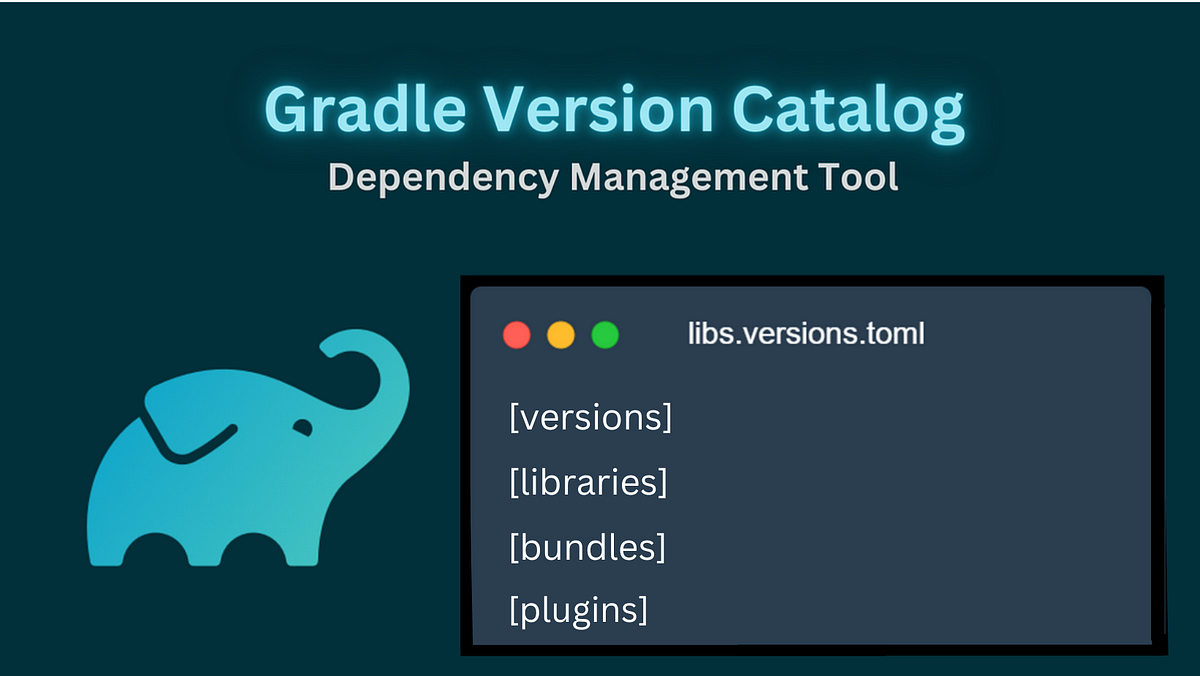
Android Gradle Version Catalog By Gopal by Gopal Medium
A Simple Guide to Version Catalog Implementation in Android by ilyas

android Error deploying Dagger hilt with gradle version catalog
Gradle Version Catalog Simplifying Dependency Management Between

Using the Gradle Version Catalog in Android projects Mohsen Mirhoseini
Gradle Version Catalog Feature Allows Us To Share Dependencies Between Different Projects Or Modules.
It Helps Keep Your Dependencies Consistent Across Subprojects And Avoids.
A Version Catalog Is A List Of Dependencies, Represented As Dependency.
Platforms Are Used To Ensure That All Dependencies In A Project Align With A Consistent Set Of Versions.
Related Post: